Life insurance for mountain guides and ski patrol in Canada
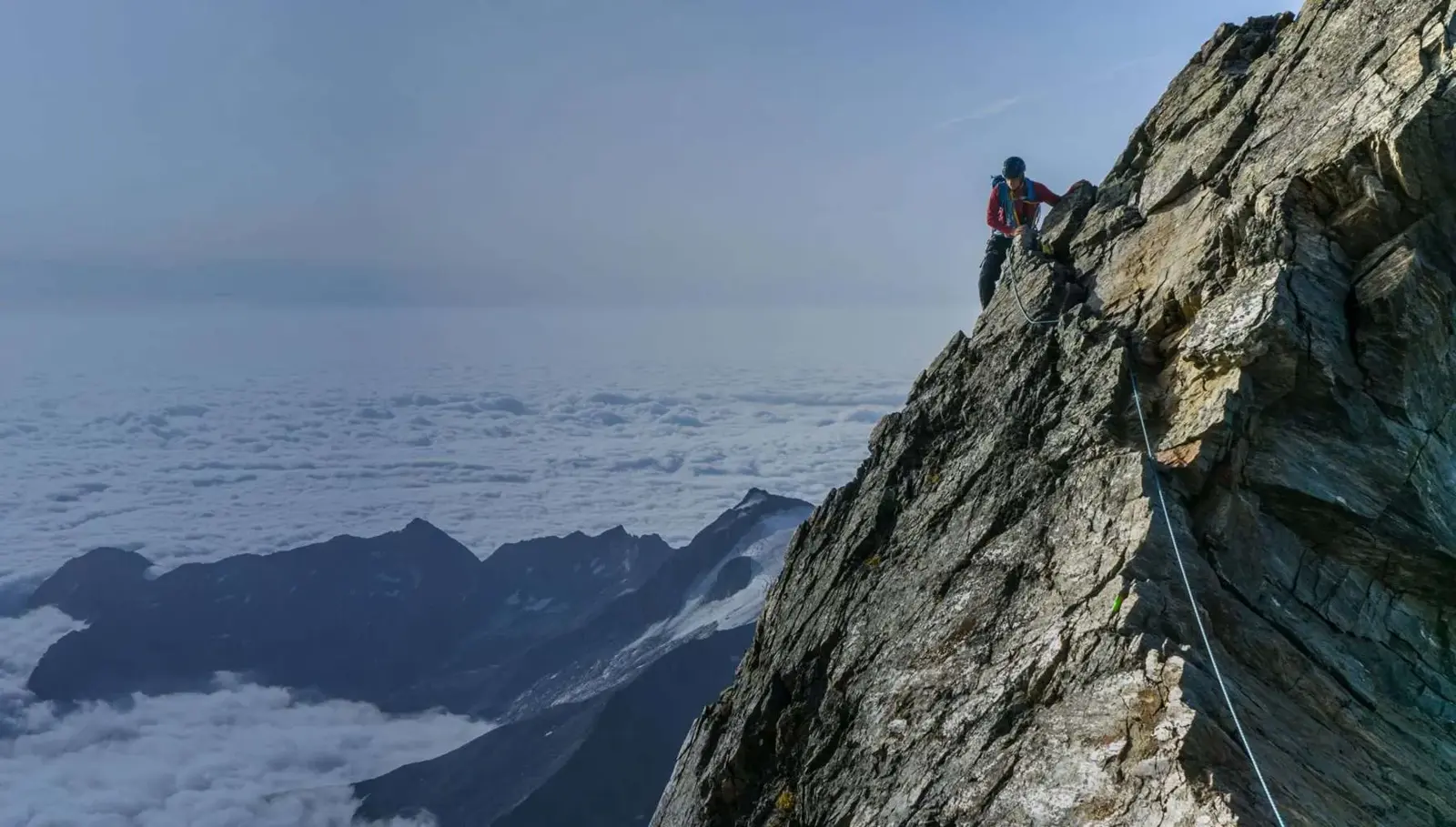
- Tell the insurer about paid mountain work as well as personal climbing and skiing.
- Life insurance protects your beneficiaries; it doesn't replace liability, rescue or disability coverage.
- A plan without a recreational climbing exclusion still needs an eligibility check for your occupation.
The short answer
Mountain guides and ski patrollers can apply for personal life insurance in Canada, but the application needs to describe the work they do. Paid climbing, avalanche work or rescue duties need their own review. A policy that covers your recreational skiing doesn't automatically settle whether your occupation is eligible.
I climb, ice climb and ski tour, and I'm based in Calgary. When we look at coverage for someone who works in the mountains, I want to understand both their working week and their days off. That gives us a useful starting point for checking the available plans.
What should a mountain guide disclose?
Give us your actual duties rather than only a job title. “Guide” could mean walking established trails, teaching rock climbing, leading ski tours or taking clients on overseas alpine objectives. Those are different descriptions for an insurer to assess.
Write down the activities you get paid to lead, where you work and whether your role changes through the year. Include the climbing and skiing you do personally. If an application asks about planned expeditions or other hazardous activities, answer those questions too.
Qualifications can help explain the role. They don't replace the application questions or guarantee a standard offer. We check the wording of each insurer's questions rather than assuming every carrier treats the same certification in the same way.
What should ski patrol describe?
Tell us whether you're employed, contracted or volunteering. Explain whether your duties include avalanche control, explosives, out-of-bounds rescue, rope work or helicopter operations. These are prompts for a complete description, not a list of automatic exclusions.
Resort work and personal backcountry skiing may need separate answers. A patroller who works inside a ski area and tours independently on days off should describe both. If you're unsure whether a question includes a particular duty, ask before submitting the application.
Which insurance pays for which problem?
Several kinds of insurance come up in mountain work. Check each contract against the cost you want it to cover.
| Cover | What to check |
|---|---|
| Personal life insurance | Death benefit, beneficiaries, occupation eligibility and exclusions |
| Employer or association life cover | Benefit amount, eligibility and what happens when the role ends |
| Disability or accident insurance | Covered causes, waiting periods and the definition of disability |
| Travel medical and rescue | Destination, paid activities, evacuation conditions and limits |
| Professional liability | Claims connected to your work and the services you provide |
A personal life policy won't pay a hospital bill because you survived an accident. It also doesn't insure a guiding business against a client's liability claim. We keep those questions separate so a life insurance quote isn't mistaken for a complete work-insurance package.
Can a guide use simplified-issue life insurance?
Simplified-issue plans use health and eligibility questions without a medical exam. We use plans that don't have a climbing exclusion for eligible mountain-sport clients. Paid guiding or patrol work still has to meet the selected insurer's questions and terms.
Some people can combine policies from several insurers to reach the amount they need. Availability depends on age, health, existing insurance and each plan's limits. A large combined amount isn't available to everyone, and an online estimate doesn't confirm occupational eligibility.
Don't omit a duty to make the application fit. If a question is unclear, we can get clarification before you decide. Keep the answer with your insurance records and check the policy that is issued, including any attached exclusions.
How much family protection should you buy?
Start with the bills your household would face if you died. Consider shared debt, dependants and how long your income would need replacing. Subtract accessible savings and life insurance you already have.
Seasonal income can make an annual total more useful than a single month's pay. Use your own records rather than assuming your busiest month represents the whole year. If you're buying coverage for a business obligation, tell us that separately.
Read any employer or association benefit booklet before counting its full amount. Confirm that you're eligible, whether cover continues between seasons and what happens when you change roles. You may already have useful protection; we need to know what it is before recommending more.
What should you send us before applying?
Send a short description of your duties, employment status, work locations and personal mountain sports. Have your current policy and benefit booklet available if you already carry insurance. You don't need to guess which underwriting category you belong in.
Our climber life insurance page explains the personal coverage approach. For a description of the activities themselves, read the guide to ice climbing and mountaineering.
When you're ready, start a climber plan enquiry and include your paid or volunteer duties. We'll review the fit before treating an estimate as a plan you can rely on.
FAQ
Does being an ACMG member guarantee life insurance approval?
No. Membership and qualifications help describe your work, but the insurer's eligibility questions and policy terms decide what can be offered. We still need your duties, activities and health information.
Can a volunteer patroller use the same application as a paid patroller?
Describe the role accurately, including whether it is paid or volunteer. The insurer decides which occupational and activity questions apply; don't assume volunteering makes a duty irrelevant.
Will my life policy pay if an injury stops me guiding?
Life insurance pays a death benefit for a covered claim. An injury that prevents work needs a separate review of disability or accident benefits, including how the policy defines inability to work.
Philip Setter has been a licensed life insurance advisor since 2014 and founded Affinity Life in 2020. He's a climber, ice climber and ski tourer based in Calgary.